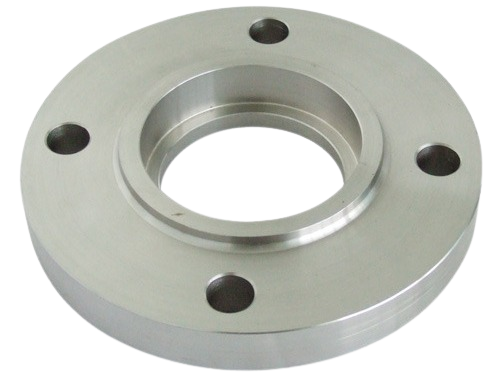
Flanges are essential components of pipeline systems because they ensure a safe and leak-free connection between pipes and other machinery. They are extensively utilised throughout a wide range of industries, including the oil & gas, petrochemical, and power generation sectors. We’ll talk about the advantages of flanges and why they’re necessary for piping systems in this blog post.
Trimac Piping Solutions is one of the largest Flanges Manufacturers in India and Flange Supplier in India
Enhanced Connection Integrity:
Flanges provide a strong and reliable connection between pipes, valves, fittings, and other components in a piping system. By using flanges, the connection becomes more robust and resistant to external forces such as pressure, temperature changes, vibrations, and mechanical stresses. This enhanced connection integrity helps prevent leakages and ensures the efficient and safe operation of the system.
Easy Installation and Maintenance:
In plumbing systems, flanges make the installation and maintenance procedures simpler. They make it simpler to replace or repair parts without disturbing the entire system since they enable rapid installation and disassembly of pipes and equipment. In order to connect and disengage different parts of the piping system quickly and easily during installation and maintenance tasks, flanges are used.
Flexibility and Adaptability:
Due to shifting operational requirements, piping systems frequently need to be expanded or modified over time. In these circumstances, flanges provide adaptation and flexibility. Flanges enable system modifications without requiring substantial alterations to the current infrastructure by making it simple to connect or disconnect extra pipes or equipment as needed. This adaptability guarantees that the plumbing system can accommodate changing requirements while minimising downtime.
Improved Alignment:
In a plumbing system, flanges make it easier for pipes and other equipment to be aligned correctly. Flanges’ smooth mating surfaces provide exact alignment and lower the possibility of component misalignment or offset. Effective alignment is crucial for fluid or gas movement, reducing turbulence, pressure dips, and potential system damage. Flanges aid in maintaining alignment integrity, assuring the pipe system’s best performance and durability.
Accessibility for Inspection and Testing:
Flanges offer entry locations for piping system maintenance, testing, and inspection operations. Regular inspections, non-destructive testing, and essential repairs or upgrades are made simpler when flanges are strategically put at key areas. Flanges ensure adherence to safety standards and regulations by enabling effective access to crucial system components.
Conclusion:
Due to their capacity to establish secure connections, facilitate installation and maintenance, provide flexibility, enhance alignment, and allow access for inspection and testing, flanges are essential parts of piping systems. They play a crucial role in the overall performance, safety, and dependability of piping systems across a variety of sectors, therefore their significance cannot be emphasized. Engineers and operators can design, build, and operate piping systems with greater confidence if they are aware of the advantages of flanges.
We are also
Flanges Manufacturers in Mumbai
Flanges Manufacturers in Chennai
]]>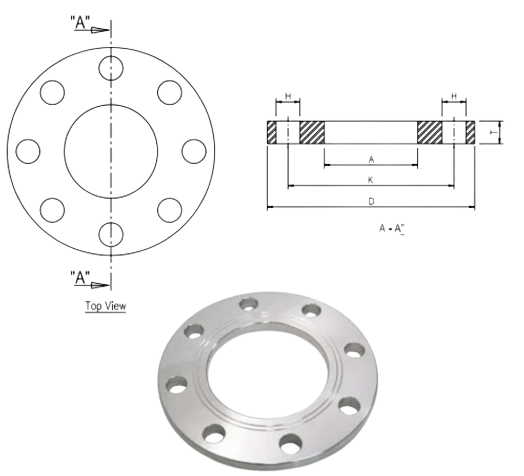
Understanding Flange Weight is crucial for Flanges Manufacturer. Flanges are essential components of pipeline systems because they offer a safe connection between pipes and other pieces of machinery. It is crucial to comprehend flange weight for a variety of reasons, such as load calculations, installation, and shipping. We’ll look at the formula and procedures in this blog post. To provide you a thorough overview of this subject, we will draw on the experience of Trimac Piping, a well-known name in the Flanges.
Trimac Piping Solutions is one of the largest Flanges Manufacturers in India and Flange Supplier in India
Understanding Flange Weight:
Flanges are crucial components in piping systems, providing essential connections and support for various equipment and pipelines. When designing or working with piping systems, it is important to have a good understanding of flange weight. In this blog post, we will delve into the factors that contribute to flange weight, explain how to calculate it, and highlight the significance of considering flange weight in engineering and installation processes.
Let’s first define what the flange weight means before moving on to the computation process. The term “flange weight” describes the whole weight of a flange, including the weight of the body, bolt holes, gasket, and any other parts. The weight might change based on the size, material, and pressure class of the flange and is commonly stated in pounds (lbs) or kilogrammes (kg).
Calculating Flange Weight Formula:
To calculate the flange weight, the following formula is commonly used:
Flange Weight (in lbs or kg) = [(OD – Thickness) x Thickness x K] / Conversion Factor
Where:
OD: Outer diameter of the flange
Thickness: Thickness of the flange
K: A constant depending on the flange type
Conversion Factor: A conversion factor to obtain the desired weight unit (lbs or kg)
Different types of flanges have varying values for the constant “K.” Here are the common values for different flange types:
Slip-On Flanges: K = 0.68
Weld Neck Flanges: K = 1.00
Socket Weld Flanges: K = 0.79
Lap Joint Flanges: K = 0.92
Threaded Flanges: K = 0.87
Blind Flanges: K = 0.61
Note: The values mentioned above are approximate and may vary depending on the specific standards and specifications of the flanges being used. Always refer to the relevant industry codes or consult with professionals for accurate values.
Step-by-Step Calculation Process:
To calculate the flange weight accurately, follow these steps:
Step 1: Obtain the flange dimensions:
Measure the outer diameter (OD) of the flange.
Determine the thickness of the flange.
Step 2: Determine the flange type:
Identify the type of flange being used (slip-on, weld neck, socket weld, lap joint, threaded, or blind).
Step 3: Determine the constant (K) value:
Refer to the values mentioned above for different flange types and note down the appropriate constant (K) for your flange type.
Step 4: Select the desired weight unit:
Determine whether you want the weight to be expressed in pounds (lbs) or kilograms (kg).
Step 5: Apply the formula:
Plug in the values obtained from steps 1 to 4 into the flange weight formula mentioned earlier.
Calculate the flange weight using the formula.
Conclusion:
For many technical applications, determining a flange’s weight is essential. You may precisely compute the flange weight by using the techniques and formula described in this blog article while taking into account the flange type, dimensions, and required weight unit. For accurate measurements and computations, always be sure to adhere to the relevant industry standards and seek out experts. Trimac Piping can offer insightful advice and help when determining flange weight for your particular needs thanks to its expertise in the area.
We are also
Flanges Manufacturers in Mumbai
Flanges Manufacturers in Chennai
]]>
Flanges in Piping
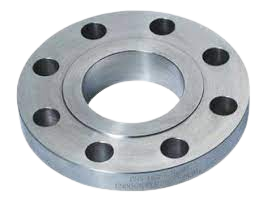
Flanges are important components used in piping systems to connect pipes, valves, pumps, and other equipment together. They provide a means for joining different sections of pipes or connecting pipes to various components in a system. It are widely used in industries such as oil and gas, petrochemical, power generation, and water treatment.
In order to link different components together, flanges in piping are an essential component of plumbing systems. They are utilised in a variety of sectors, including as the oil and gas, chemical, petrochemical, power generating, and many more. We’ll discuss the significance of flanges in pipelines and the factors that contribute to their widespread use in this blog post.
Connects Pipes and Components:
Flanges serve several functions in a piping system, including connecting pipes together, providing access for inspection and maintenance, facilitating the assembly and disassembly of equipment, and allowing for the installation of valves, fittings, and other components.
Flanges are used to join pipes, valves, fittings, and other pieces of machinery in a plumbing system. They offer a way to safely connect these parts together. The flange connection makes it simple to install, take apart, and maintain the pipe system.
Provides Strength and Stability:
The piping system’s increased strength and stability are two major benefits of employing flanges. High pressures, temperature changes, and mechanical strains are all things that flanges are made to withstand. They guarantee the integrity of the system by offering a dependable connection that can manage the demands of varied applications.
Facilitates Alignment:
Flanges help with precise equipment and pipe alignment. The flanges’ smooth surfaces provide accurate alignment during installation. This alignment guarantees that the piping system operates at its best and reduces the possibility of leaks or other operational problems.
Trimac Piping Solutions is one of the largest Flanges Manufacturers in India.
Easy Access and Maintenance:
Access to the parts of a piping system is made simple by flanged connectors. Flanges can be easily removed when maintenance or repairs are needed, enabling specialists to operate on particular parts without upsetting the entire system. This convenience reduces downtime and saves time, improving the maintenance procedure’s overall effectiveness.
Enables Expansion and Flexibility:
Due to temperature variations, piping systems frequently experience thermal expansion and contraction. This movement is made possible by the flexibility that flanges at the joints offer. Thermal expansion can be absorbed by the flange connection, which relieves pressure on the pipes and guards against damage.
Enables System Modularity:
Flanges give piping systems modularity by enabling the addition or replacement of components as needed. This adaptability is especially helpful when industrial processes need to be modified or expanded. Flanges make it simpler to connect additional equipment or alter the system’s layout without causing too much disruption. We are a Leading Flange Supplier in India.
We are also
Flanges Manufacturers in Mumbai
Flanges Manufacturers in Chennai
Flanges Manufacturers in Delhi
Flanges Manufacturers in Bangalore
Flanges are manufactured in accordance with various standards to ensure compatibility and interchangeability. Some widely used standards include ASME/ANSI B16.5 (for pipe flanges and flanged fittings), ASME/ANSI B16.47 (for large diameter flanges), and API 6A (for flanges used in the oil and gas industry).
Conclusion:
Proper installation, maintenance, and inspection of flanges are essential for the safe and reliable operation of piping systems. Consulting relevant industry standards and guidelines is important to ensure the correct selection and usage of flanges for specific applications.
As a crucial part of plumbing systems, flanges offer flexibility, strength, and stability. They are essential in many sectors due to their capacity to securely link pipes and equipment, promote alignment, allow for simple access and maintenance, and support system adaptability. Knowing the significance of flanges contributes to ensuring the secure and effective operation of piping systems in a variety of applications.
]]>
When it comes to piping systems, Lap Joint Flanges play crucial roles in ensuring their integrity and functionality. In this blog post, we will delve into the world of lap joint flanges, examining their purpose, design, and applications. So, let’s get started and unravel the basics of this essential piping element.
Lap Joint Flanges
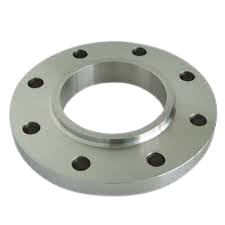
A Van Stone flange, often referred to as a lap joint flange, is a specific kind of flange used to attach pieces of pipe or fittings together. The backing flange and the stub end are its two basic components. The lap joint flanges does not feature a raised face or a sealing surface, in contrast to other flange types.
It is a kind of flange that joins two pieces of pipe or fittings together in plumbing systems. The backing flange and the stub end are its two major parts.
Trimac Piping Solutions is one of the largest Flanges Manufacturers in India.
The Design and Assembly:
A short length of pipe with an outer diameter just a little larger than the pipe it is being connected to is analogous to the stub end of a lap joint flange. The backing flange, on the other hand, has a flat face and bolt holes for attachment, similar to a conventional flange. The stub end is butt-welded to the pipe end after being slid over it.
The stub end and the backing flange are the two primary parts used in the design and assembly of a it.
Function and Benefits:
Lap joint flanges are suited for several applications due to their many benefits. They are excellent for systems requiring repeated assembly and disassembly due to their simplicity in aligning and adjusting the position of the flange, which is one of their main advantages. In comparison to other flange kinds, its simplicity of design also enables lower manufacturing costs. It’s crucial to remember that lap joint flanges have restrictions as well.
They might not be appropriate for applications needing high-pressure sealing because they lack a raised face. To ensure good alignment and prevent interference with neighboring components, the length of the stub end should also be carefully chosen.
Applications:
Lap joint flanges are used in a variety of settings and industries. In places like chemical plants, refineries, and food processing facilities, where quick access for inspection or maintenance is necessary, they are frequently employed in systems. In systems conveying corrosive fluids, lap joint flanges are also used since the lack of a sealing surface lowers the danger of corrosion.
It’s crucial to remember that the appropriateness of lap joint flanges for a certain application should be assessed in light of things like pressure ratings, temperature requirements, material compatibility, and industry norms. In order to ensure proper selection and installation of lap joint flanges for particular applications, consulting with engineers or industry specialists is advised.
Considerations and Limitations:
While lap joint flanges have benefits, it’s necessary to take into account their drawbacks as well. Their usage in applications requiring high-pressure sealing may be constrained by the lack of a raised face. In addition, it’s important to choose the stub end length carefully to guarantee accurate alignment and prevent interference with nearby components.
In connection to the planned use, it is crucial to thoroughly evaluate the specific needs and constraints of lap joint flanges. When deciding if lap joint flanges are appropriate and, if necessary, selecting alternate flange types, consulting with engineers or industry experts might be helpful.
We are a Leading Flange Supplier in India.
We are also
Flanges Manufacturers in Mumbai
Flanges Manufacturers in Chennai
Flanges Manufacturers in Delhi
Flanges Manufacturers in Bangalore
Conclusion:
Lap joint flanges are crucial parts of piping systems because they provide flexibility, simplicity in installation, and cost-efficiency. Since they can be quickly disassembled and reassembled thanks to their distinctive design, they are a common option in industries that need periodic maintenance or inspection. You can decide whether or not lap joint flanges are a good fit for your particular plumbing needs by having a basic understanding of them.
]]>
Flange in Welding
The flanges welding has a female socket on one side into which the pipe is inserted and a drilled flanged blade with a machined face on the other. These flanges welding are often produced from forged steel, just like the weld neck. Anyone working in the pipe industry needs to be able to weld flanges to pipes.
Flanges that have been properly welded guarantee the durability and integrity of pipe connections, preventing leaks and maintaining the system’s overall performance. This welding guide will go over the precise steps involved in flange weld to a pipe, emphasizing crucial factors and best practices
Trimac piping is leading Flanges Manufacturers in India.
Understanding Flanges Welding and Pipe Connections
Flanges welding and their function in pipe connections must be thoroughly understood before beginning the welding process. The various kinds of flanges, their components, and how they work in piping systems will all be covered in this section. In the development and operation of piping systems, flanges welding and pipe connectors are essential components. To ensure correct pipe connections, it is crucial to comprehend the various types of flanges and how they work.
Pre-Welding Preparations
The secret to a successful weld is proper preparation. The procedures that must be followed before beginning the welding process are described in this section. It will include duties including material inspection, pipe and flange surface cleaning, and precise alignment.
There are a few pre-welding steps that must be taken before beginning the welding process to join a flange to a pipe. These steps guarantee that the surfaces are spotless, symmetrical, and prepared for welding.
Flanges Welding Equipment and Safety Measures
To achieve high-quality welds, it’s crucial to use the appropriate equipment and follow safety protocols. This section will discuss the welding equipment needed for flange-to-pipe welding and provide guidelines for ensuring a safe working environment.
Flanges Welding Techniques and Procedures
The main emphasis of this manual will be on the welding methods and processes necessary to attach a flange to a pipe. The entire procedure, including the tack welding, root pass, fill passes, and final welding, will be described in detail. The reader will be given a full explanation of each step so they may comprehend the important components of each weld. When joining a flange to a pipe, welding methods and processes are essential for achieving durable and dependable welds. We are top Weld Neck Flanges Manufacturer in India.
Post-Welding Inspection and Testing
To ensure the quality and integrity of the weld, it is crucial to carry out extensive inspections and tests after the welding is finished. The acceptance criteria for a satisfactory weld, non-destructive testing procedures, and visual inspections are all covered in this section.
The post-welding inspection and testing process is essential to ensuring the weld’s quality, integrity, and compliance. These procedures aid in finding any flaws, guaranteeing correct fusion, and validating the weld’s compliance with the required specifications.
Troubleshooting Flanges Welding Issues
Welding can occasionally run into difficulties and problems. In this section, we’ll talk about typical welding issues that could come up when attaching a flange to a pipe and offer workable strategies to fix them.
There could be a number of problems that crop up during welding a flange to a pipe that could compromise the strength of the weld. To guarantee a sturdy and trustworthy flange-to-pipe connection, these problems must be quickly resolved.
Flanges Welding Codes and Standards
To maintain consistency and safety, the welding industry adheres to particular norms and standards. In order to achieve trustworthy welds, the pertinent welding norms and standards for flange-to-pipe welding will be introduced in this section.The requirements, practises, and techniques for welding operations are specified by established guidelines known as welding codes and standards. They guarantee the excellence, security, and dependability of welded components and structures.We are a Leading Flange Supplier in India.
We are also
Flanges Manufacturers in Mumbai
Flanges Manufacturers in Chennai
Flanges Manufacturers in Delhi
Flanges Manufacturers in Bangalore
Best Practices and Tips
We will discuss some best practices and pointers for welding flanges to pipes to wrap up the guide. These tips will enable welders to develop their abilities and constantly create top-notch welds. The requirements, practices, and techniques for welding operations are specified by established guidelines known as welding codes and standards. They guarantee the excellence, security, and dependability of welded components and structures.
You will acquire the skills and information required to successfully weld flanges to pipes by referring to this in-depth Flanges Welding Guide. This manual will be an invaluable tool for you whether you’re a welder, engineer, or piping specialist, giving you the knowledge required to make secure and trustworthy flange-to-pipe connections. To achieve good welds, keep in mind that accuracy, focus on detail, and adherence to safety procedures are essential.
]]>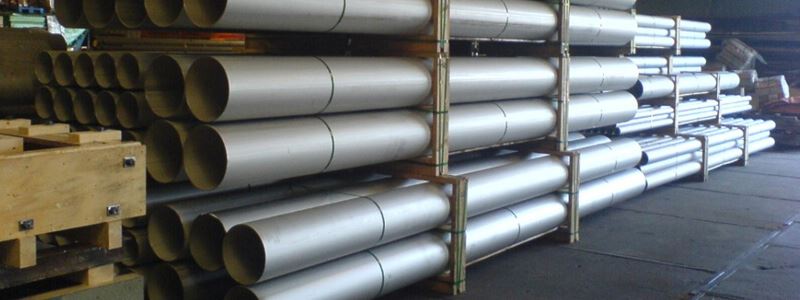
Stainless Steel 316 Welded Pipe Manufacturer, Supplier, & Exporter in India
Trimac Piping Solutions is one of the largest Stainless Steel 316 Welded Pipe Manufacturers, Supplier & Exporters in India. We offer our customers with reliable, cost-effective, and high-quality superior Stainless Steel 316 Welded Pipe products according to international specification and dimensional specification ANSI/ASME. Extensive capability range, exceptional quality, and unrivaled customer service make Trimac Piping Solutions Pipes the premiere value solution for all of your Pipes needs.
Stainless Steel 316 Welded Pipe Manufacturer, SS 316 Welded Pipes, SS 316 Welded Pipes Supplier, Stainless Steel 316 Welded Pipes Exporter, SS 316 Welded Pipes Exporter, Stainless Steel 316 Welded Pipes Supplier in India
We are a leading Stainless Steel 316 Welded Pipes Manufacturer In India. Our SS 316 Welded Pipes are supplied in material and grades namely Stainless Steel Pipes, Low-Temperature Stainless Steel Pipes, High Yield Stainless Steel Pipes. We do provide High quality 316 Stainless Steel Pipes at reasonable prices across India including major cities like Mumbai, Chennai, Rourkela, Haryana and so on.
Stainless Steel 316 Welded Pipe Specifications, Size, Standards
| Standard | ASTM A316 |
| Outside Diameter | 6.00 mm OD up to 914.4 mm OD, Sizes up to 24″ NB available Ex-stock, OD Size Steel Tubes available Ex-stock |
| Thickness | 0.3mm – 50 mm, SCH 5, SCH10, SCH 40, SCH 80, SCH 80S, SCH 160, SCH XXS, SCH XS |
| Type | Seamless / ERW / Welded / Fabricated Pipes |
| Form | Round, Square, Rectangular, Oval, Hydraulic Etc |
| Length | Single Random, Double Random & Required Length |
| End | Plain End, Beveled End, Treaded |
| Outside Finish | 2B, No.4, No.1, No.8 Mirror Finish for Stainless Steel Pipes, Finish as per customer Requirements |
Types of Stainless Steel 316 Welded Pipe Manufacturer & Exporter
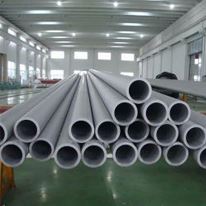
Stainless Steel 316 Welded Pipe Manufacturer
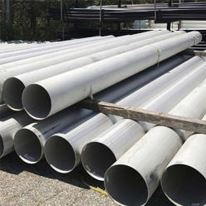
Stainless Steel 316 Welded Pipe Supplier
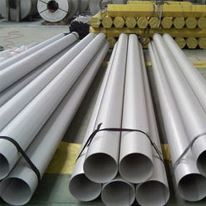
Stainless Steel 316 Welded Pipe Stockist
AISI 316 Welded Pipes, SS 316 Welded Pipes, Stainless Steel 316 Welded Pipe, SS 316 Hollow Pipe, Stainless Steel 316 Welded Pipes Supplier in Mumbai.
Being in the Stainless Steel 316 Welded Pipes business for more than a decade Trimac Piping Solutions evolving ourselves with time, we have secured a special place for ourselves within the industries and our clients in the domestic. The offered range of Stainless Steel 316 Welded Pipes products find various applications in a diverse range of industries including Pharmaceuticals, Chemicals, Water Processing, Oil & Gas, Dairy, Sugar & Food Processing, and many other industries.
Standard Types of Pipes
Why to Choose Stainless Steel 316 Welded Pipe?
Stainless Steel 316 Welded Pipe are Manufactured to meet the latest standards of quality and performance, making them an ideal choice for many applications. Unlike aluminum or stainless steel, carbon steel is made of iron and carbon, which is then subjected to heating that removes the oxygen in the iron. The end result is a much harder metal that has better tensile strength than other metals. The durability, strength, and longevity of these flanges are unmatched by any other type. Stainless Steel 316 Welded Pipe are also very easy to work with when it comes to welding, grinding, machining, cutting, or bending. These features make Welded Pipe a great choice for any application in the industry. Feel free to contact us any time our support team is available to answer your questions Call us +91 88504 06626 or mail us.
SS 316 Welded Pipes Chemical Composition
Following is the Chemical Composition of Stainless Steel 316 Welded Pipes.
| Grade | C | Mn | Si | P | S | Cr | Mo | Ni | N |
| SS 316 | 0.08 max | 2 max | 0.75 max | 0.045 max | 0.030 max | 18 – 20 | – | 8 – 11 | – |
Stainless Steel 316 Welded Pipe Mechanical Properties
Following is the Mechanical Properties of Stainless Steel 316 Welded Pipe.
| Density | Melting Point | Tensile Strength | Yield Strength (0.2%Offset) | Elongation |
| 8.0 g/cm3 | 1400 °C (2550 °F) | Psi – 75000 , MPa – 515 | Psi – 30000 , MPa – 205 | 35 % |
Client Project For Stainless Steel 316 Welded Pipe Manufacturer in India
Our Stainless Steel 316 Pipes are impeccable in quality and that is why are loved widely by our large clientele. Stainless Steel 316 Welded & ERW Pipe produced by Trimac Piping Solutions are used in various different projects worldwide. We have clients with regular demand for Hot Rolled Pipes in 5 different countries and we export Pipes to additional 40+ countries.
| Product Supplied | City |
|---|---|
| Duplex Steel Pipes for Automobile Industry | Mumbai, Maharashtra |
| Stainless Steel Welded Pipes supply | Kochi, Kerala |
| ANSI B36.19 Pipes supply for Oil and Gas Industry | Bangalore, Karnataka |
| Stainless Steel Pipes for the Aerospace industry | Surat, Gujarat |
| Stainless Steel Pipes for the Chemical industry | Chennai, Tamilnadu |
Additional Information: Stainless Steel 316 Welded Pipe Packaging & Delivery Details
- SS 316 Pipe Payment Modes: LC (Letter of Credit), TT (Telegraphic Transfer or Wire Transfer), Cheque, and others
- Stainless Steel 316 Welded Pipe Packaging: Pipes are packaged with caution and safety so they reach our client’s as good as he would expect. Packaging Charges Extra.
- SS 316 Welded Pipe Port of Dispatch: Mumbai or Kalamboli ports in the Maharashtra state of India.
- Stainless Steel 316 Pipe Tax: 18% GST
Stainless Steel 316 Welded Pipe Applications and Uses
- Used in Petrochemical Industries
- Used in Refineries Industries
- Used in Heat Exchangers
- Used in Sugar Industries
- Used in Chemical Industries
- Used in Oil and Gas Industries
- Used in Pharmaceuticals
- Used in Power Plants
Other Product Ready Stock in India
Stainless Steel 316 Welded Pipe Supplier in India – Trimac Piping Solutions
Trimac Piping Solutions is a highly acclaimed manufacturer, supplier, stockists and exporter of various types of Stainless Steel 316 Welded Pipe in Mumbai, Pune, Delhi, & major cities in India, build from high-quality raw materials and grades. We also export and supply customized Stainless Steel 316 Welded Pipes on customer demands acquires from various country worldwide.
| Domestic Cities we supply Stainless Steel 316 Welded Pipe : | |||||
|---|---|---|---|---|---|
| Chennai | Hyderabad | Bangalore | Mumbai | Pune | Vishakapatnam |
| Kochi | New Delhi | Ahmedabad | Jaipur | Surat | Salem |
| Bhiwandi | Tiruppur | Sivakasi | Jamnagar | Thiruvananthapuram | Rajahmundry |
| Bhubaneswar | Vijaywada | Firozabad | Bokaro Steel City | Rajkot | Bharuch |
| Panna | Raipur | Cochin | Ludhiana | Panipat | Durgapur |
| Peenya | Pimpri-Chinchwad | Channapatna | Kharagpur | Nashik | Bareilly |
| Varanasi | Haldia | Rourkela | Bangalore | Moradabad | Indore |
| Visakhapatnam | Trivandrum | Pithampur | Dibrugarh | Angul | Gwalior |
| Coimbatore | Kannur | Nagpur | Vadodara | Rudrapur | Noida |
| Agra | Bhagalpur | Jamshedpur | Bhilai | Lucknow | Kanpur |
| Thane | Bhopal | Sri City | Bareilly | Hosdurg | Pithampur |
Stainless Steel 316 Welded Pipe Manufacturer & Exporter in India – Trimac Piping Solutions
Yearly more than 10 tons of Stainless Steel 316 Welded Pipes are exported from India, out of which Trimac Piping Solutions exports 35% of the Stainless Steel 316 Welded Pipes. We have a huge client base in Germany, UAE, Italy, United Kingdom, United States, Australia, Saudi Arabia, Iran. We are regularly exporting Stainless Steel 316 Welded Pipes to more countries and connecting with new customer in different parts of the world.
| Countries we supply and export Stainless Steel 316 Welded Pipe worldwide: | ||||
|---|---|---|---|---|
| Saudi Arabia | Oman | Kuwait | Netherlands | Iran |
| Bahrain | Qatar | UAE | Africa | China |
| Nigeria | Mexico | Canada | Venezuela | United Kingdom |
| United States | South Africa | Malaysia | Bangladesh | Turkey |
| Singapore | Sri Lanka | Australia | Brazil | Germany |
| France | Italy | South Korea | Poland | Belgium |
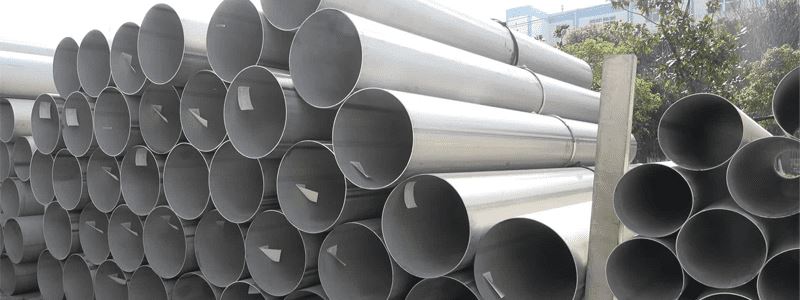
Stainless Steel 304 Welded Pipe Manufacturer, Supplier, & Exporter in India
Trimac Piping Solutions is one of the largest Stainless Steel 304 Welded Pipe Manufacturers, Supplier & Exporters in India. We offer our customers with reliable, cost-effective, and high-quality superior Stainless Steel 304 Welded Pipe products according to international specification and dimensional specification ANSI/ASME. Extensive capability range, exceptional quality, and unrivaled customer service make Trimac Piping Solutions Pipes the premiere value solution for all of your Pipes needs.
Stainless Steel 304 Welded Pipe Manufacturer, SS 304 Welded Pipes, SS 304 Welded Pipes Supplier, Stainless Steel 304 Welded Pipes Exporter, SS 304 Welded Pipes Exporter, Stainless Steel 304 Welded Pipes Supplier in India
We are a leading Stainless Steel 304 Welded Pipes Manufacturer In India. Our SS 304 Welded Pipes are supplied in material and grades namely Stainless Steel Pipes, Low-Temperature Stainless Steel Pipes, High Yield Stainless Steel Pipes. We do provide High quality 304 Stainless Steel Pipes at reasonable prices across India including major cities like Mumbai, Chennai, Rourkela, Haryana and so on.
Stainless Steel 304 Welded Pipe Specifications, Size, Standards
| Standard | ASTM A312, A358 / ASME SA312, SA358 |
| Outside Diameter | 6.00 mm OD up to 914.4 mm OD, Sizes up to 24″ NB available Ex-stock, OD Size Steel Tubes available Ex-stock |
| Thickness | 0.3mm – 50 mm, SCH 5, SCH10, SCH 40, SCH 80, SCH 80S, SCH 160, SCH XXS, SCH XS |
| Type | Seamless / ERW / Welded / Fabricated Pipes |
| Form | Round, Square, Rectangular, Oval, Hydraulic Etc |
| Length | Single Random, Double Random & Required Length |
| End | Plain End, Beveled End, Treaded |
| Outside Finish | 2B, No.4, No.1, No.8 Mirror Finish for Stainless Steel Pipes, Finish as per customer Requirements |
Types of Stainless Steel 304 Welded Pipe Manufacturer & Exporter
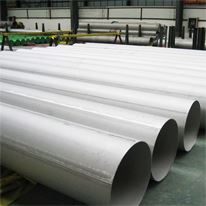
Stainless Steel 304 Welded Pipe Manufacturer
Stainless Steel 304 Welded Pipe Supplier
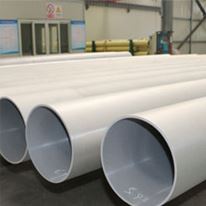
Stainless Steel 304 Welded Pipe Stockist
AISI 304 Welded Pipes, SS 304 Welded Pipes, Stainless Steel 304 Welded Pipe, SS 304 Hollow Pipe, Stainless Steel 304 Welded Pipes Supplier in Mumbai.
Being in the Stainless Steel 304 Welded Pipes business for more than a decade Trimac Piping Solutions evolving ourselves with time, we have secured a special place for ourselves within the industries and our clients in the domestic. The offered range of Stainless Steel 304 Welded Pipes products find various applications in a diverse range of industries including Pharmaceuticals, Chemicals, Water Processing, Oil & Gas, Dairy, Sugar & Food Processing, and many other industries.
Standard Types of Pipes
Why to Choose Stainless Steel 304 Welded Pipe?
Stainless Steel 304 Welded Pipe are Manufactured to meet the latest standards of quality and performance, making them an ideal choice for many applications. Unlike aluminum or stainless steel, carbon steel is made of iron and carbon, which is then subjected to heating that removes the oxygen in the iron. The end result is a much harder metal that has better tensile strength than other metals. The durability, strength, and longevity of these flanges are unmatched by any other type. Stainless Steel 304 Welded Pipe are also very easy to work with when it comes to welding, grinding, machining, cutting, or bending. These features make Welded Pipe a great choice for any application in the industry. Feel free to contact us any time our support team is available to answer your questions Call us +91 88504 06626 or mail us.
SS 304 Welded Pipes Chemical Composition
Following is the Chemical Composition of Stainless Steel 304 Welded Pipes.
| Grade | C | Mn | Si | P | S | Cr | Mo | Ni | N |
| SS 304 | 0.08 max | 2 max | 0.75 max | 0.045 max | 0.030 max | 18 – 20 | – | 8 – 11 | – |
Stainless Steel 304 Welded Pipe Mechanical Properties
Following is the Mechanical Properties of Stainless Steel 304 Welded Pipe.
| Density | Melting Point | Tensile Strength | Yield Strength (0.2%Offset) | Elongation |
| 8.0 g/cm3 | 1400 °C (2550 °F) | Psi – 75000 , MPa – 515 | Psi – 30000 , MPa – 205 | 35 % |
Client Project For Stainless Steel 304 Welded Pipe Manufacturer in India
Our Stainless Steel 304 Pipes are impeccable in quality and that is why are loved widely by our large clientele. Stainless Steel 304 Welded & ERW Pipe produced by Trimac Piping Solutions are used in various different projects worldwide. We have clients with regular demand for Hot Rolled Pipes in 5 different countries and we export Pipes to additional 40+ countries.
| Product Supplied | City |
|---|---|
| Duplex Steel Pipes for Automobile Industry | Mumbai, Maharashtra |
| Stainless Steel Welded & ERW Pipes supply | Kochi, Kerala |
| ANSI B36.19 Pipes supply for Oil and Gas Industry | Bangalore, Karnataka |
| Stainless Steel Pipes for the Aerospace industry | Surat, Gujarat |
| Stainless Steel Pipes for the Chemical industry | Chennai, Tamilnadu |
Additional Information: Stainless Steel 304 Welded Pipe Packaging & Delivery Details
- SS 304 Pipe Payment Modes: LC (Letter of Credit), TT (Telegraphic Transfer or Wire Transfer), Cheque, and others
- Stainless Steel 304 Welded Pipe Packaging: Pipes are packaged with caution and safety so they reach our client’s as good as he would expect. Packaging Charges Extra.
- SS 304 Welded Pipe Port of Dispatch: Mumbai or Kalamboli ports in the Maharashtra state of India.
- Stainless Steel 304 Pipe Tax: 18% GST
Stainless Steel 304 Welded Pipe Applications and Uses
- Used in Petrochemical Industries
- Used in Refineries Industries
- Used in Heat Exchangers
- Used in Sugar Industries
- Used in Chemical Industries
- Used in Oil and Gas Industries
- Used in Pharmaceuticals
- Used in Power Plants
Other Product Ready Stock in India
Stainless Steel 304 Welded Pipe Supplier in India – Trimac Piping Solutions
Trimac Piping Solutions is a highly acclaimed manufacturer, supplier, stockists and exporter of various types of Stainless Steel 304 Welded Pipe in Mumbai, Pune, Delhi, & major cities in India, build from high-quality raw materials and grades. We also export and supply customized Stainless Steel 304 Welded Pipes on customer demands acquires from various country worldwide.
| Domestic Cities we supply Stainless Steel 304 Welded Pipe : | |||||
|---|---|---|---|---|---|
| Chennai | Hyderabad | Bangalore | Mumbai | Pune | Vishakapatnam |
| Kochi | New Delhi | Ahmedabad | Jaipur | Surat | Salem |
| Bhiwandi | Tiruppur | Sivakasi | Jamnagar | Thiruvananthapuram | Rajahmundry |
| Bhubaneswar | Vijaywada | Firozabad | Bokaro Steel City | Rajkot | Bharuch |
| Panna | Raipur | Cochin | Ludhiana | Panipat | Durgapur |
| Peenya | Pimpri-Chinchwad | Channapatna | Kharagpur | Nashik | Bareilly |
| Varanasi | Haldia | Rourkela | Bangalore | Moradabad | Indore |
| Visakhapatnam | Trivandrum | Pithampur | Dibrugarh | Angul | Gwalior |
| Coimbatore | Kannur | Nagpur | Vadodara | Rudrapur | Noida |
| Agra | Bhagalpur | Jamshedpur | Bhilai | Lucknow | Kanpur |
| Thane | Bhopal | Sri City | Bareilly | Hosdurg | Pithampur |
Stainless Steel 304 Welded Pipe Manufacturer & Exporter in India – Trimac Piping Solutions
Yearly more than 10 tons of Stainless Steel 304 Welded Pipes are exported from India, out of which Trimac Piping Solutions exports 35% of the Stainless Steel 304 Welded Pipes. We have a huge client base in Germany, UAE, Italy, United Kingdom, United States, Australia, Saudi Arabia, Iran. We are regularly exporting Stainless Steel 304 Welded Pipes to more countries and connecting with new customer in different parts of the world.
| Countries we supply and export Stainless Steel 304 Welded Pipe worldwide: | ||||
|---|---|---|---|---|
| Saudi Arabia | Oman | Kuwait | Netherlands | Iran |
| Bahrain | Qatar | UAE | Africa | China |
| Nigeria | Mexico | Canada | Venezuela | United Kingdom |
| United States | South Africa | Malaysia | Bangladesh | Turkey |
| Singapore | Sri Lanka | Australia | Brazil | Germany |
| France | Italy | South Korea | Poland | Belgium |
Flange Bores Chart
| NOMINAL BORE | ||||||||||||||
| Sch | Sch | Sch | STD | Sch | Sch | EXT | Sch | Sch | Sch | Sch | Sch | XX | ||
| Nom Pipe Size | OD | 10 | 20 | 30 | Wall | 40 | 60 | Hvy | 80 | 100 | 120 | 140 | 160 | Hvy |
| ½ | 0.84 | 0.674 | … | … | 0.622 | 0.622 | … | 0.546 | 0.546 | … | … | … | 0.464 | 0.252 |
| ¾ | 1.05 | 0.884 | … | … | 0.824 | 0.824 | … | 0.742 | 0.742 | … | … | … | 0.612 | 0.434 |
| 1 | 1.315 | 1.097 | … | … | 1.049 | 1.049 | … | 0.957 | 0.957 | … | … | … | 0.815 | 0.599 |
| 1 ¼ | 1.66 | 1.442 | … | … | 1.38 | 1.38 | … | 1.278 | 1.278 | … | … | … | 1.16 | 0.896 |
| 1 ½ | 1.9 | 1.682 | … | … | 1.61 | 1.61 | … | 1.5 | 1.5 | … | … | … | 1.338 | 1.1 |
| 2 | 2.375 | 2.157 | … | … | 2.067 | 2.067 | … | 1.939 | 1.939 | … | … | … | 1.687 | 1.503 |
| 2 ½ | 2.875 | 2.635 | … | … | 2.469 | 2.469 | … | 2.323 | 2.323 | … | … | … | 2.125 | 1.771 |
| 3 | 3.5 | 3.26 | … | … | 3.068 | 3.068 | … | 2.9 | 2.9 | … | … | … | 2.624 | 2.3 |
| 3 ½ | 4 | 3.76 | … | … | 3.548 | 3.548 | … | 3.364 | 3.364 | … | … | … | … | 2.728 |
| 4 | 4.5 | 4.26 | … | … | 4.026 | 4.026 | … | 3.826 | 3.826 | … | 3.624 | … | 3.438 | 3.152 |
| 5 | 5.563 | 5.295 | … | … | 5.047 | 5.047 | … | 4.813 | 4.813 | … | 4.563 | … | 4.313 | 4.063 |
| 6 | 6.625 | 6.357 | … | … | 6.065 | 6.065 | … | 5.761 | 5.761 | … | 5.501 | … | 5.187 | 4.897 |
| 8 | 8.625 | 8.329 | 8.125 | 8.071 | 7.981 | 7.981 | 7.813 | 7.625 | 7.625 | 7.437 | 7.187 | 7.001 | 6.813 | 6.875 |
| 10 | 10.75 | 10.42 | 10.25 | 10.136 | 10.02 | 10.02 | 9.75 | 9.75 | 9.562 | 9.312 | 9.062 | 8.75 | 8.5 | 8.75 |
| 12 | 12.75 | 12.39 | 12.25 | 12.09 | 12 | 11.938 | 11.626 | 11.75 | 11.374 | 11.062 | 10.75 | 10.5 | 10.126 | 10.75 |
| 14 | 14 | 13.5 | 13.376 | 13.25 | 13.25 | 13.124 | 12.812 | 13 | 12.5 | 12.124 | 11.812 | 11.5 | 11.188 | … |
| 16 | 16 | 15.5 | 15.376 | 15.25 | 15.25 | 15 | 14.688 | 15 | 14.312 | 13.938 | 13.562 | 13.124 | 12.812 | … |
| 18 | 18 | 17.5 | 17.376 | 17.124 | 17.25 | 16.876 | 16.5 | 17 | 16.124 | 15.688 | 15.25 | 14.876 | 14.438 | … |
| 20 | 20 | 19.5 | 19.25 | 19 | 19.25 | 18.812 | 18.376 | 19 | 17.938 | 17.438 | 17 | 16.5 | 16.062 | … |
| 22 | 22 | 21.5 | … | … | 21.25 | … | … | 21 | … | … | … | … | … | … |
| 24 | 24 | 23.5 | 23.25 | 22.876 | 23.25 | 22.624 | 22.062 | 23 | 21.562 | 20.938 | 20.376 | 19.876 | 19.312 | … |
| 26 | 26 | … | … | … | 25.25 | … | … | 25 | … | … | … | … | … | … |
| 30 | 30 | 29.376 | 29 | 28.75 | 29.25 | … | … | 29 | … | … | … | … | … | … |
| 36 | 36 | 35.376 | 35 | 34.75 | 35.25 | 34.5 | … | 35 | … | … | … | … | … | … |
| 40 | 40 | … | … | … | 39.25 | … | … | 39 | … | … | … | … | … | … |
| 42 | 42 | … | … | … | 41.25 | … | … | 41 | … | … | … | … | … | … |
| 48 | 48 | … | … | … | 47.25 | … | … | 47 | … | … | … | … | … | … |
RTJ Face Flange Dimensions & Tolerance
| Nominal Pipe Size | Groove Dimensions | Diameter of Raised Portion K | |||||||||||||||
| 150 PSI | 300 PSI | 400 PSI | 600 PSI | 900 PSI | 1500 PSI | 2500 PSI | Groove # | Pitch Dia | Depth | Width | Radius at Bottom | 150 PSI | 300 400 600 PSI | 900 PSI | 1500 PSI | 2500 PSI | Depth |
| P | E | F | R | E | |||||||||||||
| … | 1/2 | … | 1/2 | … | … | … | R11 | 1-11/32 | 7/32 | 9/32 | 1/32 | … | 2 | … | … | … | 7/32 |
| … | … | … | … | … | 1/2 | … | 12 | 1-9/16 | 1/4 | 11/32 | 1/32 | … | … | 2-3/8 | 2-3/8 | … | 1/4 |
| … | 3/4 | … | 3/4 | … | … | 1/2 | 13 | 1-11/16 | 1/4 | 11/32 | 1/32 | … | 2-1/2 | … | … | 2-9/16 | 1/4 |
| … | … | … | … | … | 3/4 | … | 14 | 1-3/4 | 1/4 | 11/32 | 1/32 | … | … | 2-5/8 | 2-5/8 | … | 1/4 |
| 1 | … | … | … | … | … | … | 15 | 1-7/8 | 1/4 | 11/32 | 1/32 | 2-1/2 | … | … | … | … | 1/4 |
| … | 1 | … | 1 | … | 1 | 3/4 | 16 | 2 | 1/4 | 11/32 | 1/32 | … | 2-3/4 | 2-13/16 | 2-13/16 | 2-7/8 | 1/4 |
| 1-1/4 | … | … | … | … | … | … | 17 | 2-1/4 | 1/4 | 11/32 | 1/32 | 2-7/8 | … | … | … | … | 1/4 |
| … | 1-1/4 | … | 1-1/4 | … | 1-1/4 | 1 | 18 | 2-3/8 | 1/4 | 11/32 | 1/32 | … | 3-1/8 | 3-3/16 | 3-3/16 | 3-1/4 | 1/4 |
| 1-1/2 | … | … | … | … | … | … | 19 | 2-9/16 | 1/4 | 11/32 | 1/32 | 3-1/4 | … | … | … | … | 1/4 |
| … | 1-1/2 | … | 1-1/2 | … | 1-1/2 | … | 20 | 2-11/16 | 1/4 | 11/32 | 1/32 | … | 3-9/16 | 3-5/8 | 3-5/8 | … | 1/4 |
| … | … | … | … | … | … | 1-1/4 | 21 | 2-27/32 | 5/16 | 15/32 | 1/32 | … | … | … | … | 4 | 5/16 |
| 2 | … | … | … | … | … | … | 22 | 3-1/4 | 1/4 | 11/32 | 1/32 | 4 | … | … | … | … | 1/4 |
| … | 2 | … | 2 | … | … | 1-1/2 | 23 | 3-1/4 | 5/16 | 15/32 | 1/32 | … | 4-1/4 | … | … | 4-1/2 | 5/16 |
| … | … | … | … | … | 2 | … | 24 | 3-3/4 | 5/16 | 15/32 | 1/32 | … | … | 4-7/8 | 4-7/8 | … | 5/16 |
| 2-1/2 | … | … | … | … | … | … | 25 | 4 | 1/4 | 11/32 | 1/32 | 4-3/4 | … | … | … | … | 1/4 |
| … | 2-/12 | … | 2-1/2 | … | … | 2 | 26 | 4 | 5/16 | 15/32 | 1/32 | … | 5 | … | … | 5-1/4 | 5/16 |
| … | … | … | … | … | 2-1/2 | … | 27 | 4-1/4 | 5/16 | 15/32 | 1/32 | … | … | … | 5-3/8 | … | 5/16 |
| … | … | … | … | … | … | 2-1/2 | 28 | 4-3/8 | 3/8 | 17/32 | 1/16 | … | … | … | … | 5-7/8 | 3/8 |
| 3 | … | … | … | … | … | … | 29 | 4-1/2 | 1/4 | 11/32 | 1/32 | 5-1/4 | … | … | … | … | 1/4 |
| … | … | … | … | … | … | … | 30 | 4-5/8 | 5/16 | 15/32 | 1/32 | … | … | … | … | … | 5/16 |
| … | 3 | … | 3 | 3 | … | … | 31 | 4-7/8 | 5/16 | 15/32 | 1/32 | … | 5-3/4 | 6-1/8 | … | … | 5/16 |
| … | … | … | … | … | … | 3 | 32 | 5 | 3/8 | 17/32 | 1/16 | … | … | … | … | 6-5/8 | 3/8 |
| 3-1/2 | … | … | … | … | … | … | 33 | 5-3/16 | 1/4 | 11/32 | 1/32 | 6-1/16 | … | … | … | … | 1/4 |
| … | 3-1/2 | … | 3-1/2 | … | … | … | 34 | 5-3/16 | 5/16 | 15/32 | 1/32 | … | 6-1/4 | … | … | … | 5/16 |
| … | … | … | … | … | 3 | … | 35 | 5-3/8 | 5/16 | 15/32 | 1/32 | … | … | … | 6-5/8 | … | 5/16 |
| 4 | … | … | … | … | … | … | 36 | 5-7/8 | 1/4 | 11/32 | 1/32 | 6-3/4 | … | … | … | … | 1/4 |
| … | 4 | 4 | 4 | 4 | … | … | 37 | 5-7/8 | 5/16 | 15/32 | 1/32 | … | 6-7/8 | 7-1/8 | … | … | 5/16 |
| … | … | … | … | … | … | 4 | 38 | 6-3/16 | 7/16 | 21/32 | 1/16 | … | … | … | … | 8 | 7/16 |
| … | … | … | … | … | 4 | … | 39 | 6-3/8 | 5/16 | 15/32 | 1/32 | … | … | … | 7-5/8 | … | 5/16 |
| 5 | … | … | … | … | … | … | 40 | 6-3/4 | 1/4 | 11/32 | 1/32 | 7-5/8 | … | … | … | … | 1/4 |
| … | 5 | 5 | 5 | 5 | … | … | 41 | 7-1/8 | 5/16 | 15/32 | 1/32 | … | 8-1/4 | 8-1/2 | … | … | 5/16 |
| … | … | … | … | … | … | 5 | 42 | 7-1/2 | 1/2 | 25/32 | 1/16 | … | … | … | 9-1/2 | 1/2 | |
| 6 | … | … | … | … | … | … | 43 | 7-5/8 | 1/4 | 11/32 | 1/32 | 8-5/8 | … | … | … | … | 1/4 |
| … | … | … | … | … | 5 | … | 44 | 7-5/8 | 5/16 | 15/32 | 1/32 | … | … | … | 9 | … | 5/16 |
| … | 6 | 6 | 6 | 6 | … | … | 45 | 8-5/16 | 5/16 | 15/32 | 1/32 | … | 9-1/2 | 9-1/2 | … | … | 5/16 |
| Nominal Pipe Size | Groove Dimensions | Diameter of Raised Portion K | |||||||||||||||
| 150 PSI | 300 PSI | 400 PSI | 600 PSI | 900 PSI | 1500 PSI | 2500 PSI | Groove # | Pitch Dia | Depth | Width | Radius at Bottom | 150 PSI | 300 400 600 PSI | 900 PSI | 1500 PSI | 2500 PSI | Depth |
| P | E | F | R | E | |||||||||||||
| … | … | … | … | … | 6 | … | R46 | 8-5/16 | 3/8 | 17/32 | 1/16 | … | … | … | 9-3/4 | … | 3/8 |
| … | … | … | … | … | … | 6 | 47 | 9 | 1/2 | 25/32 | 1/16 | … | … | … | … | 11 | 1/2 |
| 8 | … | … | … | … | … | … | 48 | 9-3/4 | 1/4 | 11/32 | 1/32 | 10-3/4 | … | … | … | … | 1/4 |
| … | 8 | 8 | 8 | 8 | … | … | 49 | 10-5/8 | 5/16 | 15/32 | 1/32 | … | 11-7/8 | 12-1/8 | … | … | 5/16 |
| … | … | … | … | … | 8 | … | 50 | 10-5/8 | 7/16 | 21/32 | 1/16 | … | … | … | 12-1/2 | … | 7/16 |
| … | … | … | … | … | … | 8 | 51 | 11 | 9/16 | 29/32 | 1/16 | … | … | … | … | 13-3/8 | 9/16 |
| 10 | … | … | … | … | … | … | 52 | 12 | 1/4 | 11/32 | 1/32 | 13 | … | … | … | … | 1/4 |
| … | 10 | 10 | 10 | 10 | … | … | 53 | 12-3/4 | 5/16 | 15/32 | 1/32 | … | 14 | 14-1/4 | … | … | 5/16 |
| … | … | … | … | … | 10 | … | 54 | 12-3/4 | 7/16 | 21/32 | 1/16 | … | … | … | 14-5/8 | … | 7/16 |
| … | … | … | … | … | … | 10 | 55 | 13-1/2 | 11/16 | 1-3/16 | 3/32 | … | … | … | … | 16-3/4 | 11/16 |
| 12 | … | … | … | … | … | … | 56 | 15 | 1/4 | 11/32 | 1/32 | 16 | … | … | … | … | 1/4 |
| … | 12 | 12 | 12 | 12 | … | … | 57 | 15 | 5/16 | 15/32 | 1/32 | … | 16-1/4 | 16-1/2 | … | … | 5/16 |
| … | … | … | … | … | 12 | … | 58 | 15 | 9/16 | 29/32 | 1/16 | … | … | … | 17-1/4 | … | 9/16 |
| 14 | … | … | … | … | … | … | 59 | 15-5/8 | 1/4 | 11/32 | 1/32 | 16-3/4 | … | … | … | … | 1/4 |
| … | … | … | … | … | … | 12 | 60 | 16 | 11/16 | 1-5/16 | 3/32 | … | … | … | … | 19-1/2 | 11/16 |
| … | 14 | 14 | 14 | … | … | … | 61 | 16-1/2 | 5/16 | 15/32 | 1/32 | … | 18 | … | … | … | 5/16 |
| … | … | … | … | 14 | … | … | 62 | 16-1/2 | 7/16 | 21/32 | 1/16 | … | … | 18-3/8 | … | … | 7/16 |
| … | … | … | … | … | 14 | … | 63 | 16-1/2 | 5/8 | 1-1/16 | 3/32 | … | … | … | 19-1/4 | … | 5/8 |
| 16 | … | … | … | … | … | … | 64 | 17-7/8 | 1/4 | 11/32 | 1/32 | 19 | … | … | … | … | 1/4 |
| … | 16 | 16 | 16 | … | … | … | 65 | 18-1/2 | 5/16 | 15/32 | 1/32 | … | 20 | … | … | … | 5/16 |
| … | … | … | … | 16 | … | … | 66 | 18-1/2 | 7/16 | 21/32 | 1/16 | … | … | 20-5/8 | … | … | 7/16 |
| … | … | … | … | … | 16 | … | 67 | 18-1/2 | 11/16 | 1-3/16 | 3/32 | … | … | … | 21-1/2 | … | 11/16 |
| 18 | … | … | … | … | … | … | 68 | 20-3/8 | 1/4 | 11/32 | 1/32 | 21-1/2 | … | … | … | … | 1/4 |
| … | 18 | 18 | 18 | … | … | … | 69 | 21 | 5/16 | 15/32 | 1/32 | … | 22-5/8 | … | … | … | 5/16 |
| … | … | … | … | 18 | … | … | 70 | 21 | 1/2 | 25/32 | 1/16 | … | … | 23-3/8 | … | … | 1/2 |
| … | … | … | … | … | 18 | … | 71 | 21 | 11/16 | 1-3/16 | 3/32 | … | … | … | 24-1/8 | … | 11/16 |
| 20 | … | 20 | … | … | … | … | 72 | 22 | 1/4 | 11/33 | 1/32 | 23-1/2 | … | … | … | … | 1/4 |
| … | 20 | … | 20 | … | … | … | 73 | 23 | 3/8 | 17/32 | 1/16 | … | 25 | … | … | … | 3/8 |
| … | … | … | … | 20 | … | … | 74 | 23 | 1/2 | 25/32 | 1/16 | … | … | 25-1/2 | … | … | 1/2 |
| … | … | … | … | … | 20 | … | 75 | 23 | 11/16 | 1-5/16 | 3/32 | … | … | – | 26-1/2 | … | 11/16 |
| 24 | … | … | … | … | … | … | 76 | 26-1/2 | 1/4 | 11/32 | 1/32 | 28 | … | … | … | … | 1/4 |
| … | 24 | 24 | 24 | … | … | … | 77 | 27-1/4 | 7/16 | 21/32 | 1/16 | … | 29-1/2 | … | … | … | 7/16 |
| … | … | … | … | 24 | … | … | 78 | 27-1/4 | 5/8 | 1-1/16 | 3/32 | … | … | 30-3/8 | … | … | 5/8 |
| … | … | … | … | … | 24 | … | 79 | 27-1/4 | 13/16 | 17/16 | 3/32 | … | … | … | 31-1/4 | … | 13/16 |
Dimensional Tolerance
| Threaded, Socket-Welding, Slip-On, Lap Joint, and Blind | Weld Neck | |||||
| Outside Diameter (1) | when the O.D. is 24″ or less | �1/16″ | Outside Diameter (1) | when the O.D. is 24″ or less | �1/16″ | |
| when the O.D. is over 24″ | �1/8″ | when the O.D. is over 24″ | �1/8″ | |||
| Inside Diameter | Threaded | within limites on boring gauge | Inside Diameter | = 10″ | �1/32″ | |
| Socket-Welding, Slip-On and Lap-Joint | = 10″+1/32″, -0″ =12″+1/16″,-0″ | 12″ through 18″ | �1/16″ | |||
| = 20″ | +1/8″, -1/16″ | |||||
| Outside Diameter of Hub (1) | = 12″ | +3/32″, -1/16″ | Diameter of Contact Face | 1/16″ Raised Face | �1/32″ | |
| = 14″ | �1/8″ | 1/4″ Raised Face Tongue & Groove Male, Famale | �1/64″ | |||
| Diameter of Contact Face | 1/16″ Raised Face | �1/32″ | Diameter of Hub at Base (1) | when Hub Base is 24″ or less | +1/16″ | |
| 1/4″ Raised Face Tongue & Groove Male, Famale | �1/64″ | when Hub Base is over 24″ | �1/8″ | |||
| Diameter of Counterbore | Same as for Inside Diameter | Diameter of Hub at Point of Welding | NPS = 5″ | +3/32″, -1/32″ | ||
| NPS = 6″ | +5/32″. -1/32″ | |||||
| Drilling | Bolt Circle | �1/16″ | Drilling | Bolt Circle | �1/16″ | |
| Bolt Hole Spacing | �1/32″ | Bolt Hole Spacing | �1/32″ | |||
| Concentricity of Bolt Circle with Respect to Facing | NPS = 2 1/2″, 1/32″ max | Concentricity of Bolt Circle with Respect to Facing | NPS = 2 1/2″ 1/32″ max | |||
| NPS = 3″, 1/16″ max | NPS = 3″ 1/16″ max | |||||
| Thickness | = 18″ | +1/8″, -0″ | Thickness | = 18″ | +1/8″, -0″ | |
| = 20″ | +3/16″,-0″ | = 20″ | +3/16″,-0″ | |||
| Length Through the Hub (1) | = 18″ | +1/8″, -1/32″ | Length Through the Hub | NPS = 4″ | �1/16″ | |
| 5 = NPS = 10″ | +1/16″, -1/8 | |||||
| = 20″ | +3/16″, -1/16″ | = 12″ | +1/8″, -3/16 | |||
Flange Wall Thickness
| NOMINAL WALL THICKNESS | ||||||||||||||
| Nom Pipe Size | OD | Sch 10 | Sch 20 | Sch 30 | STD Wall | Sch 40 | Sch 60 | EXT Hvy | Sch 80 | Sch 100 | Sch 120 | Sch 140 | Sch 160 | XX Hvy |
| ½ | 0.84 | 0.083 | … | … | 0.109 | 0.109 | … | 0.147 | 0.147 | … | … | … | 0.188 | 0.294 |
| ¾ | 1.05 | 0.083 | … | … | 0.113 | 0.113 | … | 0.154 | 0.154 | … | … | … | 0.219 | 0.308 |
| 1 | 1.315 | 0.109 | … | … | 0.133 | 0.133 | … | 0.179 | 0.179 | … | … | … | 0.25 | 0.358 |
| 1 ¼ | 1.66 | 0.109 | … | … | 0.14 | 0.14 | … | 0.191 | 0.191 | … | … | … | 0.25 | 0.382 |
| 1 ½ | 1.9 | 0.109 | … | … | 0.145 | 0.145 | … | 0.2 | 0.2 | … | … | … | 0.281 | 0.4 |
| 2 | 2.375 | 0.109 | … | … | 0.154 | 0.154 | … | 0.218 | 0.218 | … | … | … | 0.344 | 0.436 |
| 2 ½ | 2.875 | 0.12 | … | … | 0.203 | 0.203 | … | 0.276 | 0.276 | … | … | … | 0.375 | 0.552 |
| 3 | 3.5 | 0.12 | … | … | 0.216 | 0.216 | … | 0.3 | 0.3 | … | … | … | 0.438 | 0.6 |
| 3 ½ | 4 | 0.12 | … | … | 0.226 | 0.226 | … | 0.318 | 0.318 | … | … | … | … | 0.636 |
| 4 | 4.5 | 0.12 | … | … | 0.237 | 0.237 | … | 0.337 | 0.337 | … | 0.438 | … | 0.531 | 0.674 |
| 5 | 5.563 | 0.134 | … | … | 0.258 | 0.258 | … | 0.375 | 0.375 | … | 0.5 | … | 0.625 | 0.75 |
| 6 | 6.625 | 0.134 | … | … | 0.28 | 0.28 | … | 0.432 | 0.432 | … | 0.562 | … | 0.719 | 0.864 |
| 8 | 8.625 | 0.148 | 0.25 | 0.277 | 0.322 | 0.322 | 0.406 | 0.5 | 0.5 | 0.594 | 0.719 | 0.812 | 0.906 | 0.875 |
| 10 | 10.75 | 0.165 | 0.25 | 0.307 | 0.365 | 0.365 | 0.5 | 0.5 | 0.594 | 0.719 | 0.844 | 1 | 1.125 | 1 |
| 12 | 12.75 | 0.18 | 0.25 | 0.33 | 0.375 | 0.406 | 0.562 | 0.5 | 0.688 | 0.844 | 1 | 1.125 | 1.312 | 1 |
| 14 | 14 | 0.25 | 0.312 | 0.375 | 0.375 | 0.438 | 0.594 | 0.5 | 0.75 | 0.938 | 1.094 | 1.25 | 1.406 | … |
| 16 | 16 | 0.25 | 0.312 | 0.375 | 0.375 | 0.5 | 0.656 | 0.5 | 0.844 | 1.031 | 1.219 | 1.438 | 1.594 | … |
| 18 | 18 | 0.25 | 0.312 | 0.438 | 0.375 | 0.562 | 0.75 | 0.5 | 0.938 | 1.156 | 1.375 | 1.562 | 1.781 | … |
| 20 | 20 | 0.25 | 0.375 | 0.5 | 0.375 | 0.594 | 0.812 | 0.5 | 1.031 | 1.281 | 1.5 | 1.75 | 1.969 | … |
| 22 | 22 | 0.25 | … | … | 0.375 | … | … | 0.5 | … | … | … | … | … | … |
| 24 | 24 | 0.25 | 0.375 | 0.562 | 0.375 | 0.688 | 0.969 | 0.5 | 1.219 | 1.531 | 1.812 | 2.062 | 2.344 | … |
| 26 | 26 | … | … | … | 0.375 | … | … | 0.5 | … | … | … | … | … | … |
| 30 | 30 | 0.312 | 0.5 | 0.625 | 0.375 | … | … | 0.5 | … | … | … | … | … | … |
| 36 | 36 | 0.312 | 0.5 | 0.625 | 0.375 | 0.75 | … | 0.5 | … | … | … | … | … | … |
| 40 | 40 | … | … | … | 0.375 | … | … | 0.5 | … | … | … | … | … | … |
| 42 | 42 | … | … | … | 0.375 | … | … | 0.5 | … | … | … | … | … | … |
| 48 | 48 | … | … | … | 0.375 | … | … | 0.5 | … | … | … | … | … | … |
Dimensions are in inches. Weights are in pounds.